What is a prebiotic soda?
A prebiotic soda, sometimes called a gut-health soda, functional soda, or prebiotic drink, is a carbonated soft drink formulated to carry a meaningful dose of prebiotic fiber. A prebiotic, in the definition used by the International Scientific Association for Probiotics and Prebiotics, is a substrate that the good bacteria in your gut selectively use for a health benefit. In practice that fiber is usually inulin, a soluble fiber pulled from chicory root or agave, most often chicory inulin or agave inulin. It passes through the stomach and small intestine undigested, reaches the colon, and is fermented by beneficial bacteria into short-chain fatty acids that feed the gut lining and help keep the microbial balance healthy.
That is the whole reason the category exists, and it is why adding a little fiber and calling a drink prebiotic does not hold up. The fiber has to be present at a dose that does something, and it has to still be there when someone opens the can months after it was filled. Everything else in the formula is built to protect that.
What does not count as a prebiotic
The word gets attached to a lot of ingredients that have not earned it. The test is the definition itself, and it has two halves. Your gut microbes have to actually use the ingredient, and their using it has to do something good for you. A surprising number of gut-health ingredients fail the first half.
Is apple cider vinegar a prebiotic?
No, and this is the most common mix-up in the category. The active component of apple cider vinegar is acetic acid, which is a short-chain fatty acid you are drinking directly, not a fiber your gut bacteria ferment. That distinction is the entire point of a prebiotic. The benefit comes from your microbes producing short-chain fatty acids in your colon, which is what feeds the gut lining. Swallowing an acid is not the same event.
Apples do contain pectin, a real fiber, but by the time they are fermented and filtered into vinegar there is essentially none of it left. Unfiltered vinegar with the mother carries live microbes, which is a probiotic idea rather than a prebiotic one, and those organisms do not survive the pasteurization a shelf-stable soda requires anyway. None of this makes apple cider vinegar a bad ingredient. It has its own research, mostly around blood sugar response, and it is a legitimate acid and flavor tool with real pull on a shelf. It is simply not the thing feeding your gut bacteria. In sodas that pair apple cider vinegar with agave inulin, the inulin is doing the prebiotic work.
Kombucha and other live-culture drinks
These are probiotic in concept. They add organisms rather than feeding the ones you already have. Different mechanism, different claim, and a much harder formulation problem, because live cultures are far less stable in an acidic, carbonated, shelf-stable can than fiber is. That gap in stability is a large part of why the gut-health soda category settled on prebiotics in the first place.
Juice, aloe, and gut friendly positioning
Whole fruit has fiber. Clarified juice mostly does not, and whatever survives is neither dosed nor specified. Aloe, chicory used as a flavor rather than a fiber, and trace fruit powders sit in the same bucket. They are real ingredients doing real work on flavor, color, and label appeal. They are not a prebiotic dose, and describing them as one is where a clean-label story quietly turns into a claims problem.
Fiber that is there but underdosed
This is the one that gets brands sued, and it is the most sympathetic of the four, because the ingredient is genuinely present. A gram of inulin is inulin. A gram is not a dose. The distance between having the fiber and having enough of it to support what the front of the pack promises is the largest legal exposure in this category, and we come back to it later with a case that made the point expensive.
The practical version of all this is short. Name the fiber, specify the source and the chain length, dose it against a claim you can substantiate, and let every other ingredient work under its own name, as a flavor, an acid, a color, or a botanical, rather than borrowing the prebiotic label.
How a prebiotic soda comes together
A prebiotic soda is built in layers, and the layer most founders leave for last, how it is packaged and pasteurized, is the one you have to settle first:
- Lock the package and the pasteurization, because a shelf-stable soda has to be heat treated, and that heat, and the pH it demands, set the rules the rest of the formula lives by.
- Set the prebiotic fiber and its dose, high enough to earn the claim and low enough to drink comfortably every day.
- Build the sweetener system, usually a blend, tuned to taste indulgent at low sugar.
- Build the flavor system, from natural flavors, extracts, and juice, and balance it with the acid against the sweetener and the fiber.
- Dial in the carbonation with the acid and flavor rather than bolting it on at the end.
The rest of this guide walks through each layer and why the order matters.
It starts before the bench
The most important work happens before a single sample is mixed. In preformulation we define the target as a set of numbers, not a vibe: the fiber and its dose, the calorie and sugar ceiling, the cost of goods the price point allows, the pH window, the flavor direction, the carbonation level, and the process and package the product has to live in. Each of those is a variable with a defined range. By the time we reach the bench we are not guessing. We are testing a deliberate set of hypotheses against clear guardrails.
How to set your fiber dose
Work backward from two limits. The floor is the dose that earns the claim you want on the front of the pack. The ceiling is the dose most people can drink every day without discomfort. Your target sits between them. If those two limits overlap poorly for the fiber you picked, that is a signal to change the fiber, not to push the dose.
The fiber and its dose
The fiber anchors everything, so it gets chosen first among the ingredients. Picking the right prebiotic fiber, and the right amount, means balancing three things at once: the functional claim you want to make, digestive tolerance for the everyday drinker, and the effect the fiber has on taste and mouthfeel. Dose too low and the claim is thin. Dose too high and you trade comfort and clean flavor for a bigger number on the label. The right dose earns the claim while still tasting like something people want to drink again.
Here is the arithmetic that decides where the floor sits. The Daily Value for dietary fiber is 28 grams, so a serving needs 2.8 grams to be called a good source of fiber and 5.6 grams to be called an excellent source, or high in fiber. That puts the floor for any front-of-pack fiber claim on a twelve ounce can a little under 3 grams, with the step up to the stronger claim just under 6. It is why commercial prebiotic sodas cluster where they do instead of spreading evenly across a range. Below roughly 3 grams there is no claim to make. Much above 6 and you are paying for fiber and spending digestive tolerance you may not need to spend.
Then remember that the number has to hold at the end of shelf life rather than on the day of the fill, because inulin degrades in the can. The dose you batch is deliberately higher than the dose you print, and how much higher is a question your shelf-life data answers, not a margin you guess at. That overage is a real line in the cost of goods, and it is one founders almost never budget for.
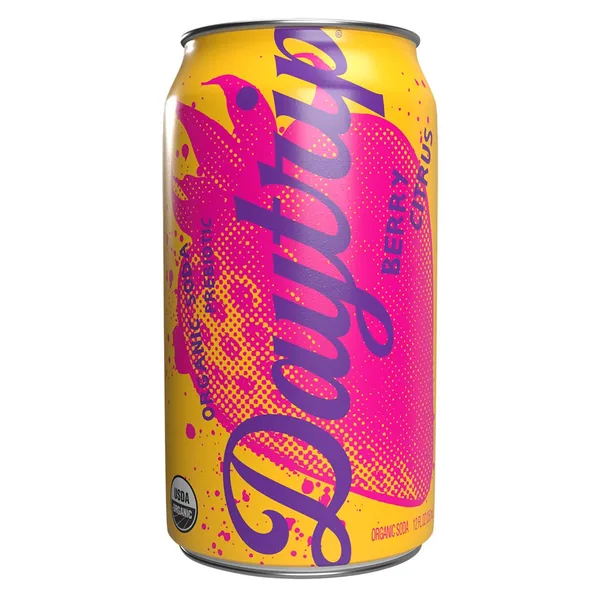
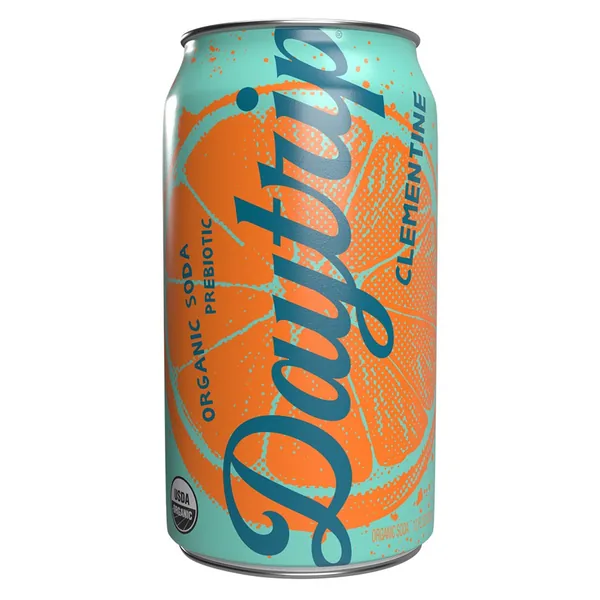
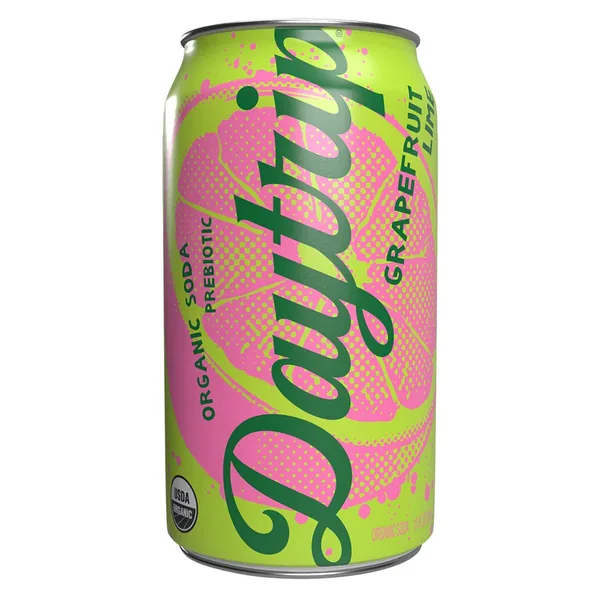
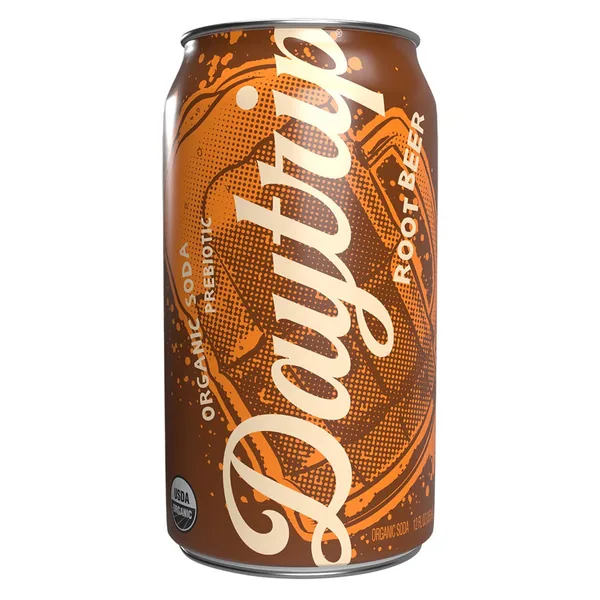
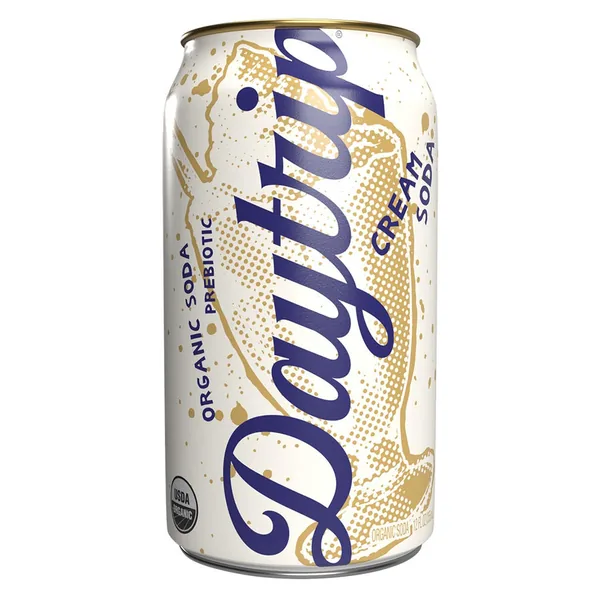
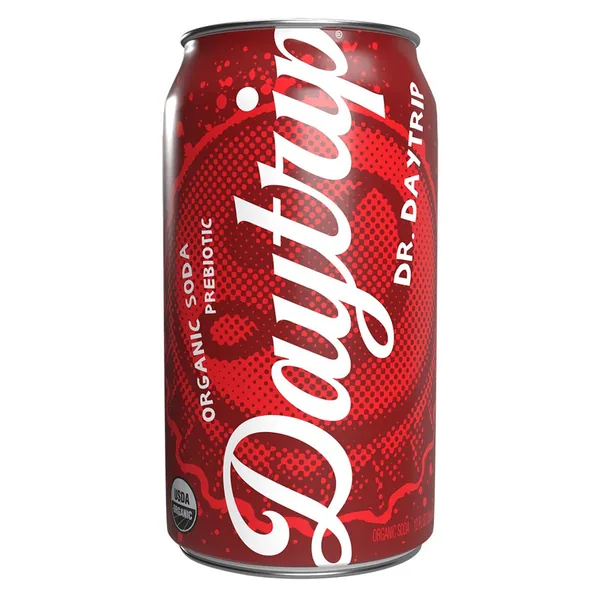
Inulin is the default for a reason. In 2018 the FDA recognized inulin and inulin-type fructans as dietary fiber, through guidance tied to real physiological benefits, so a soda built on inulin can make a straightforward fiber claim. It is also plant based and available in organic, non-GMO grades, which matters for a clean-label brand. Daytrip's prebiotic soda line, for example, is built on agave inulin, a plant-based, organic-compatible source. Whatever grade you choose, treat the fiber like the functional ingredient it is: get a certificate of analysis and a spec from the supplier, confirm the purity and the chain length, and secure the organic or non-GMO documentation for any claim you plan to make.
The dose is also a cost decision. Prebiotic fiber, and organic inulin in particular, is not cheap, so every extra gram you add shows up in your cost of goods and eventually your shelf price. That is one more reason to target the lowest dose that still earns the claim rather than the highest the label could carry.
| Prebiotic fiber | Common source | Sweetness | Everyday tolerance | Notes for a soda |
|---|---|---|---|---|
| Inulin | Chicory root, agave | Mild | Moderate | Recognized dietary fiber, adds body, sensitive to acid and heat |
| Fructooligosaccharides (FOS) | Chicory, cane | Sweeter | Lower | Shorter chains, ferment faster, leave less digestive room |
| Resistant starch | Corn, tapioca, green banana | Neutral | Higher | Little sweetness or body, can add haze |
| Galactooligosaccharides (GOS) | Milk sugar | Mild | Moderate | Effective, but not vegan by default |
Formulating with inulin
Inulin is a soluble prebiotic fiber, and formulating with it comes down to balancing effect against comfort. Dosing is the first constraint, as above: high enough to substantiate a fiber claim, under the tolerance threshold that decides whether people finish the can and buy another. Worth knowing that inulin is a fructan, which makes it a FODMAP, so a small share of drinkers will react to it at any dose. Inside that window, inulin is also a sensory tool. It carries a mild natural sweetness, builds body and mouthfeel, and rounds off the acid and sweetener systems, which is why it reads as part of the drink rather than a bolt-on.
The technical heart of it is stability. In a low-pH, carbonated system, especially with any heat at fill, inulin slowly hydrolyzes over shelf life. Its fructose chains break down into simple sugars, which quietly lowers the measured fiber content and nudges the drink sweeter. Below about pH 4, with heat and time, the bonds between the fructose units are cut and the fiber turns partly into fructose and glucose. Longer-chain inulin holds up better than short-chain, and a short, hot pasteurization does less damage than a long, warm hold. Whether you use chicory or agave inulin, the same physics applies.
The useful way to frame it is that the pH is the problem, not the fiber. Above roughly pH 5 inulin is chemically stable even through thermal processing. It is only in the acidic range, which is exactly where a carbonated soft drink has to live, that heat and time start cutting the chains. You do not get to opt out of that range, so you formulate inside it. Our guide to pH and acidity in beverage formulation covers how that window is set.
Here is the practical consequence: the number that matters is not the day-one bench result. It is the fiber content at the end of shelf life. If a can claims a gram count, it has to hit that count the day it expires, not the day it was filled. We formulate the dose, the pH, and the process together to protect that end point, and we confirm it with a shelf-life study, run both accelerated and in real time, that measures the fiber and the flavor at the end of the dated life rather than only at fill.
Why agave inulin is common in prebiotic soda
Agave inulin is the same soluble fiber as chicory inulin, drawn from the agave plant instead of chicory root. Founders reach for it because it fits organic and plant-based positioning and carries a mild sweetness and body that round out a low-sugar drink. It is what Daytrip's prebiotic line runs on, and the formulation challenge is the same as any inulin: in a low-pH, carbonated drink it still has to survive heat, acid, and time, so the dose has to be set against the fiber it will actually keep at the end of shelf life.
A note from Matt
The most common way a prebiotic soda fails is not on the bench, it is near the end of its shelf life. A drink that measured its full fiber dose fresh can come up short by its expiration date because the inulin slowly hydrolyzed in the can. For a canned soda that dated life usually runs twelve to eighteen months, so we design the fiber to hold its full labeled amount across that whole window, not just at fill. The number on the label has to be the number in the drink the day someone buys it.
The sweetener, acid, and flavor build
Fiber sets the floor. The sweetener system builds the flavor up from there, and it is rarely one ingredient. A prebiotic soda usually has to taste indulgent at low sugar, so the system is often a blend, with a little cane sugar for body and a clean start. From there you have three routes, and the category has been visibly shifting between them.
High-intensity sweeteners, mainly stevia and monk fruit, reach the target sweetness with no calories. Both can leave a licorice-like or lingering tail, and by now enough drinkers recognize and reject that taste that some brands advertise being free of them, which tells you how far the perception has moved. Allulose is where much of the category has gone instead. It is a rare sugar that tastes close to sucrose, about 70 percent as sweet, and it brings real body rather than only sweetness, which is what lets a low-sugar drink still feel like a soda. It is also excluded from total and added sugars on the US Nutrition Facts panel, so it can cut the sugar line without cutting the mouthfeel. The trade-offs are cost, well above sugar, and its own tolerance ceiling at high inclusion, which matters twice in a drink already delivering several grams of fermentable fiber. Erythritol used to fill that role and has largely fallen out of favor since 2023 research linked it to cardiovascular risk markers. Whether or not that finding holds up under further study, perception moved and brands reformulated around it, which is its own lesson about resting a formula on a single sweetener.
Whichever route you take, the craft is in the finish. You tune the ratio, lean on the mild natural sweetness the inulin already contributes, and build the curve so the sweetness arrives cleanly, peaks with the flavor, and gets out of the way.
Acid is what makes a soda taste alive. Citric acid gives a sharp, bright, clean sourness and suits fruit-forward flavors; malic acid is rounder and lingers longer, so it fits apple and stone-fruit profiles; phosphoric acid gives the dry, mineral bite of a cola. Whatever you pick has to be balanced against both the sweetener and the fiber, and it has to land the drink in the pH window the process demands, which for most shelf-stable sodas means below 4.6 and usually well under 4.
Flavor is a system, not a single bottle, and you build it from three kinds of input. Natural flavors are clean, consistent, and available in organic-compliant grades, so they can carry most of the profile without adding sugar. Extracts pull real character from a fruit or botanical and add a depth a flavor alone cannot reach; our guide to flavor and extract in beverage formulation goes deeper on that trade-off. Real juice brings authenticity and a name people recognize on the label, but it also adds sugar, cost, color, and sometimes haze, and it has to be organic if the drink is. You layer these in structure, the bright top notes you meet first, the body in the middle, and the base that lingers, and you tune the whole against the acid and the fiber. The volatile top notes are the first thing heat strips out, which is one more reason the process has to be settled before the flavor is locked. Bright, refreshing flavors carry a functional soda, and a familiar, nostalgic profile is often what turns a fiber drink into a crowd pleaser.
Carbonation is a flavor and texture ingredient, not an afterthought. The carbon dioxide level shapes mouthfeel, sharpens or softens the acid, and changes how flavor reads from the first sip to the last. Too little and the drink feels flat and heavy, too much and it bites over the flavor you built.
The process comes first, not last
A shelf-stable soda with no preservatives has to be heat treated, so for a prebiotic soda the real question is not whether to pasteurize but how. The can settles part of it for you: you cannot hot fill a carbonated drink, because the carbon dioxide foams the moment it meets a hot product. That leaves two routes, and they trade off the same way inulin does. Tunnel pasteurization fills and seams the can cold, which protects the carbonation, then runs the sealed cans through a heated tunnel to pasteurize them in the can. It is robust and standard for cans, but the drink sits at heat longer, which is harder on the fiber and the aroma. Flash, or HTST, heats the product for a matter of seconds and cools it fast, then fills it cold into a clean line. The brief heat is gentler on the inulin and the volatile flavors, but it asks more of the fill environment, because you are not pasteurizing again inside the can.
Either way, the process sets the thermal and pH conditions the whole formula has to survive, and that reaches back up the chain: the acids you can use, the sweetener system, and how much inulin makes it to the expiration date. Settle it first, and nothing you love at the bench falls apart in production. Our guide to pH and acidity in beverage formulation walks through the pH 4.6 line that decides which processes are even open to you.
The expensive mistake
Locking a flavor you love at the bench before you have chosen the process. A formula tuned at room temperature can lose its fiber, shift sweet, or drop its aroma once it goes through heat and time on a real line. Choosing the process first, and formulating inside it, is what keeps the shelf product tasting like the sample.
Prebiotic soda benefits and honest gut-health claims
The main prebiotic soda benefit comes down to fermentation. The prebiotic fibers, inulin among them, pass undigested to the colon, where bacteria ferment them into short-chain fatty acids that feed the gut lining and support a healthy microbial balance. That is a real mechanism, and it is worth protecting with an honest claim.
Formulating it honestly means two things. First, the fiber load has to be a meaningful dose, not a token gram added for the label. Second, the language has to stay in its lane. Prebiotic is not a term the FDA defines for labeling, so the defensible path is to lean on inulin's recognized status as a dietary fiber and use truthful structure and function claims, which describe how a nutrient supports the body's normal workings, such as supports digestive health or feeds beneficial gut bacteria, while never implying the drink treats, cures, or prevents a disease. Claims like these should be reviewed with your regulatory advisor before they go on a can.
What the Poppi case cost, and why
The category learned this the expensive way. Poppi, one of the largest brands in prebiotic soda, was sued in a proposed class action in the Northern District of California over its gut-health marketing. The allegation was not that the fiber was missing. It was that there was not enough of it to support what the branding promised. Each can carried roughly two grams of agave inulin, and the consolidated complaint argued that a consumer would need to drink more than four cans a day to get a clinically meaningful prebiotic benefit. The filings also argued that the sugar in the product worked against the gut-flora benefit the marketing claimed. Poppi denied wrongdoing and settled for a reported 8.9 million dollars, with final approval granted in April 2026.
Be precise about what went wrong, because the obvious reading is the wrong one. Two grams of agave inulin is a real ingredient and a defensible fiber source. Nobody alleged a phantom ingredient or an inaccurate panel. The problem is that two grams sits below the 2.8 grams a good source of fiber claim requires, and well below the doses the prebiotic research uses to show an effect. So the gap was never between the label and the liquid. It was between the dose and the story told about the dose.
That is a sequencing failure, and it is common, because brand positioning is usually locked months before anyone asks the formulator what the fiber can actually substantiate. Trade coverage treated the case as a warning to the whole prebiotic beverage category rather than a story about one company, which is the right way to read it.
How to build a claim that holds
None of the remedies are exotic. Almost all of them are about the order you do things in.
- Set the dose from the claim, not from the cost of goods. Decide what you intend to say on the front of the pack, find the gram count that substantiates it, and treat that count as a floor rather than a target. If the cost will not carry it, change the price or change the claim. Do not quietly shave the dose.
- Say what the fiber does, not what the drink does. Structure and function language about a recognized dietary fiber is defensible. Gut healthy as a product identity invites the obvious follow-up about which part of the product is doing that, and how much of it there is.
- Anchor every claim to a per-serving number a reader can check. A claim that survives being read next to the Nutrition Facts panel is a claim that survives being read by a plaintiff's lawyer. They are the same test.
- Substantiate at the end of shelf life, not at the fill. If the inulin hydrolyzes below the labeled amount by the expiration date, the label is wrong for most of the product's life on shelf. Same exposure, worse facts, and avoidable with a real stability study.
- Do not let the sweetener argue with the claim. Part of the Poppi complaint was about sugar working against the benefit being advertised. A gut-health drink carrying a conventional sugar load is contradicting itself, and the contradiction is visible on the panel.
- Get the claim reviewed alongside the spec sheet. Not the claim on its own, and not the spec on its own. A regulatory advisor reading the two side by side is inexpensive compared to the alternative.
All of which is the argument for bringing a formulator in before the brand is finished. The dose, the process, the shelf life, and the claim are one decision made four times, and the order matters.
Why we build in matrices, not one-offs
This is where our process differs from the usual loop: make one sample, get feedback, try again. Because we define the variables in preformulation, we do not hand over a single sample each round and wait. We build in matrices: several samples per round, each designed to test a specific variable against the others. Instead of learning one thing per round, we see how the variables move together, how a shift in acid changes the read on sweetness, how a higher fiber dose interacts with carbonation, how the process window narrows the flavor options. That structure converges on the right formula faster, with fewer surprises, and with a clear understanding of why the winning version wins.
A locked formula still has to survive the jump off the bench, so we validate at pilot scale before a first production run and hand over a production-ready package: the final formula in percentages, the batch sheet, the spec sheet, and the shelf-life data. That is what keeps the drink that wins at the bench tasting the same coming off a full line.
The result is a prebiotic soda that is not just a functional soda on paper. It is balanced, distinct, and built to hold its claim all the way to the shelf. Here is one we built that way.