The starting point: a better-for-you soda with a hard launch window
Stiller's founder Alexander Doman is a beverage operator, not a first-timer. He had built and run a CPG beverage brand before, with JAI as a partner, so when he set out to build Stiller's, he brought JAI in early on the strength of that track record. The brief was specific and difficult: a soda that tastes like the classic sodas people grew up on, at a fraction of the sugar, without the chemical aftertaste that alternative sweeteners usually leave behind.
There was also a clock. The launch was tied to a fixed window, so the formula and the production setup both had to be ready on time. Early on, the brand had been working with a smaller co-packer that was expensive and inconsistent, the kind of setup that makes a launch date feel like a coin flip. Getting to shelf, and to a product that comes out the same every time, meant nailing the formulation and upgrading the way it was made.
What JAI did: end to end, formulation through production
This is a full-stack engagement. JAI provided end-to-end commercialization services for Stiller's: formulation, ingredient sourcing, per-SKU COGS modeling, co-packer onboarding, on-site production management, and post-production review.
On the formulation side, the work was dialing in a sweetener system, cane sugar and fruit juice balanced with a measured touch of monk fruit and stevia, that lands at 30 calories and 7 grams of sugar per can while still drinking like a real soda. No gut-health gimmicks and no prebiotics, just a clean better-for-you soda with a full daily serving of vitamins B12, C, and D added in.
On the operations side, JAI came in as the brand was already in conversation with a robust national co-packer. JAI ran the onboarding, led the intro alignment call, and was on-site for the pilot production, then stayed on to manage the runs. When the brand hit turbulence in production after launch, JAI was already the operations layer in place to solve it.
The turning point: consistency across every run
After launch, the brand ran into the problem that quietly kills young beverage brands: the product was not coming out the same every time. Flavor and carbonation drifted between runs, which is exactly the kind of inconsistency a national retail launch cannot afford.
JAI made the call to move production to an upgraded national facility, which brought both better pricing and better consistency, and then wrote the thing that made it repeatable: a Finished Product Specification SOP. That SOP is the master document the co-packer produces against, spelling out the target for every variable so each run hits the same flavor and carbonation. JAI supported the runs on-site to hold that standard.
The save
Without a repeatable standard, a fast-moving launch brand risks every run coming out a little different, and a retail buyer noticing before you do. Switching to an upgraded facility and writing a production SOP turned production from a variable into a constant, and did it while lowering cost. Without it, there would not have been a stable product to scale, or one on shelf as fast.
The results
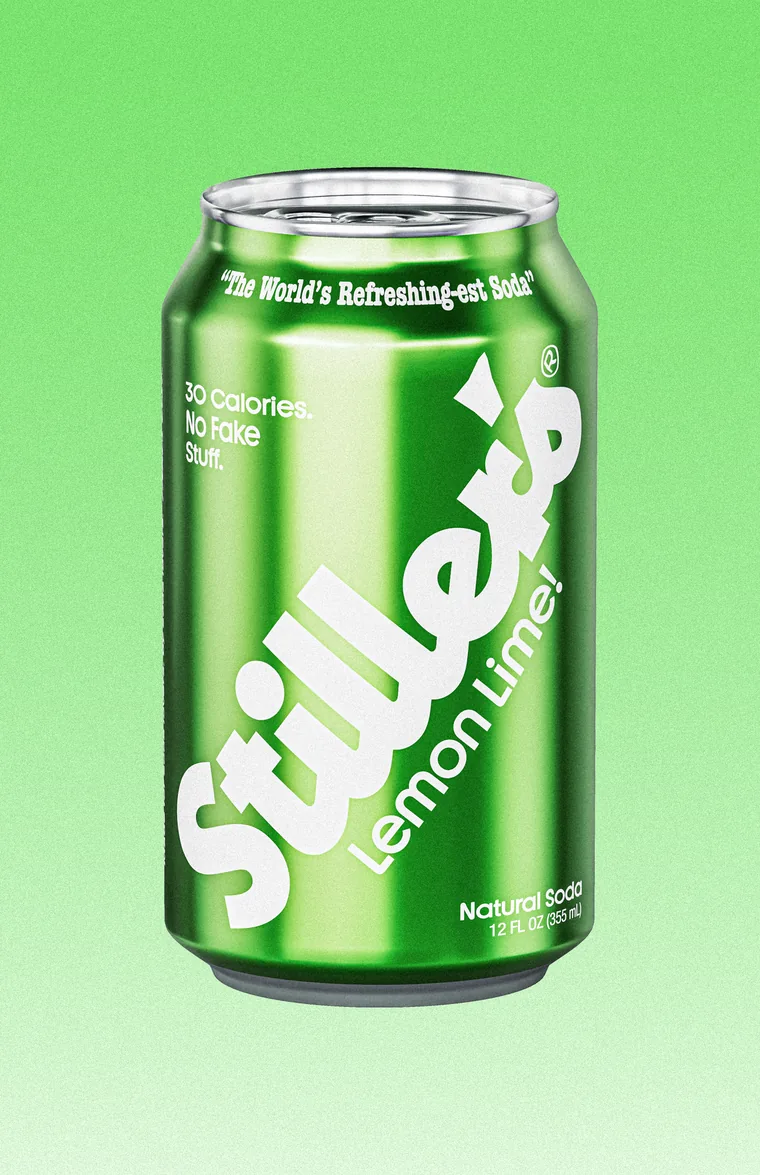
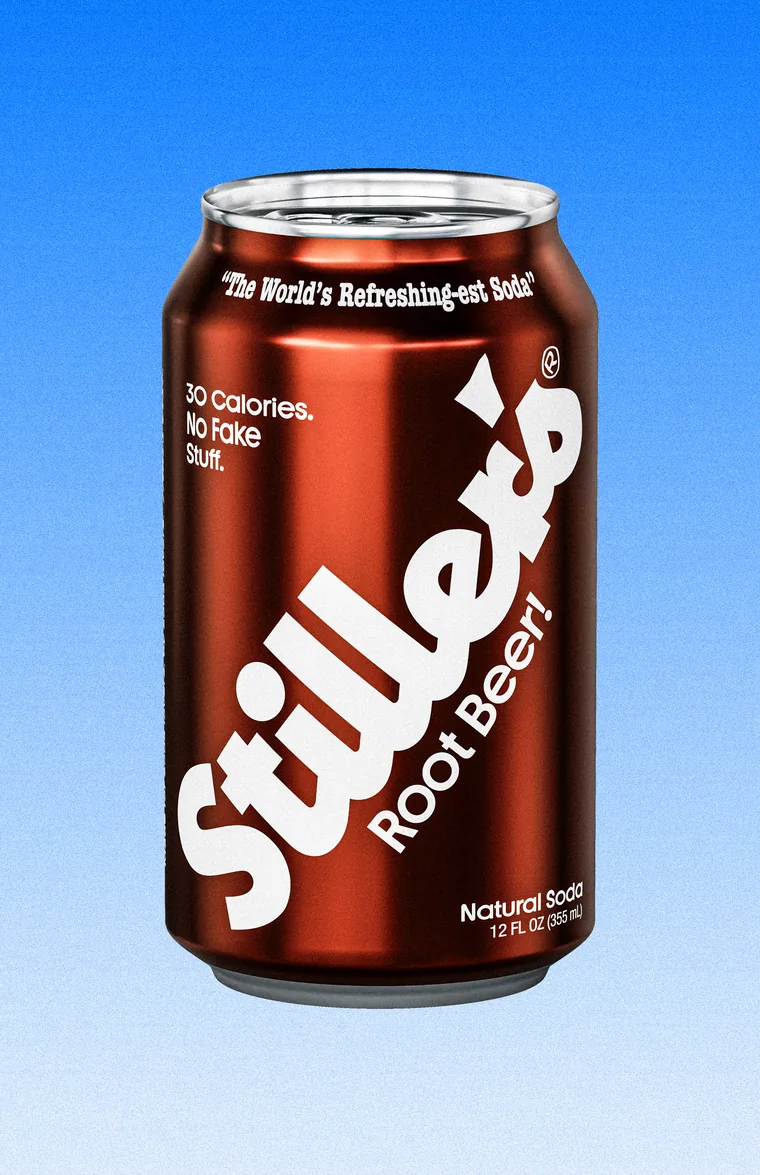
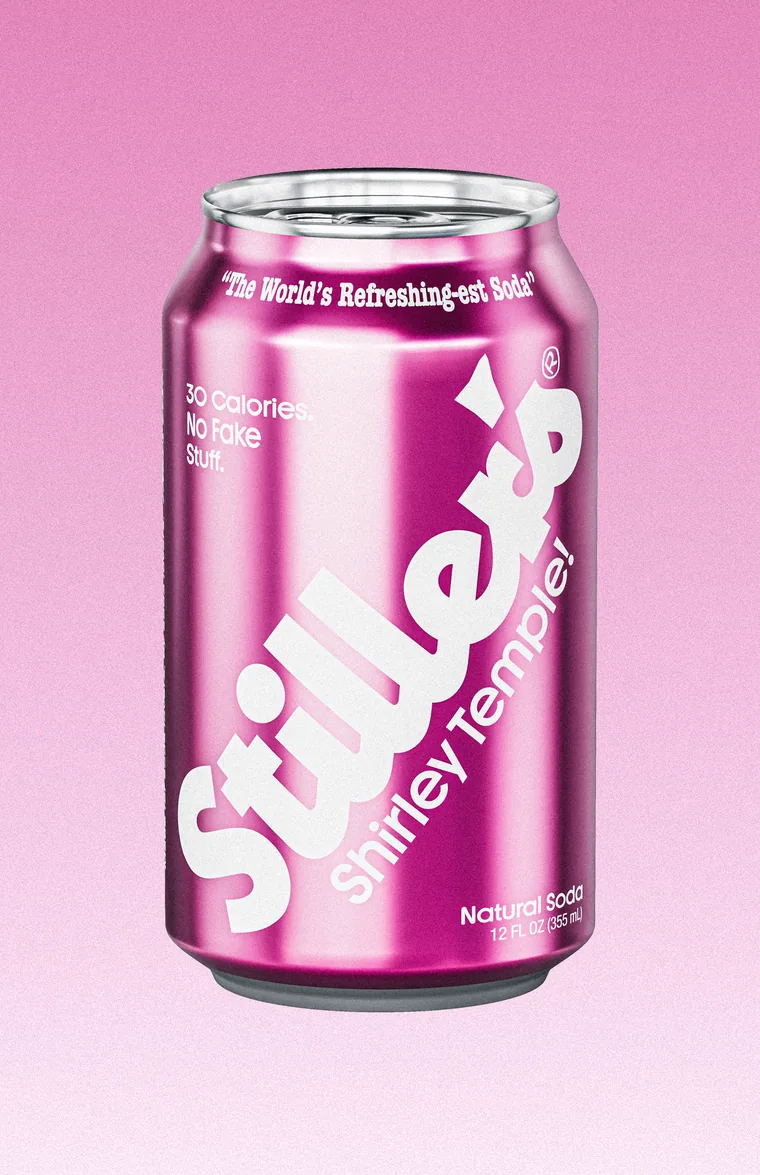
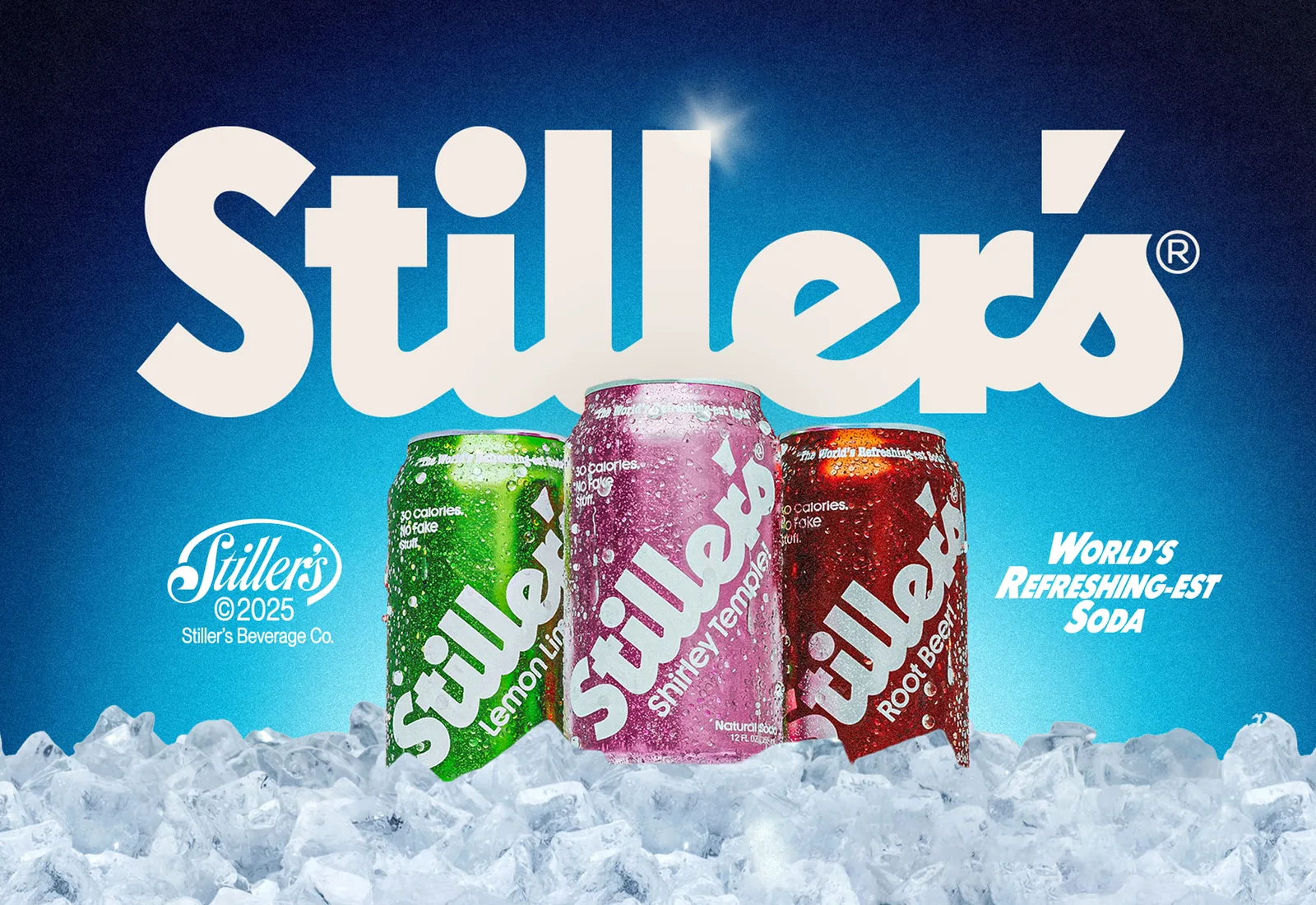
Four SKUs developed and launched, Lemon-Lime, Root Beer, Shirley Temple, and the newer Shirley Cola. Roughly one million cans produced across four runs and two co-packers. National distribution at Target, plus Whole Foods and regional retail. A BevNET Best of 2025 award, and coverage across Adweek, Inc., Food Network, Parade, and Food & Wine. And the part that compounds: a stable, documented production process the brand can keep scaling on.